

Origins of Fish
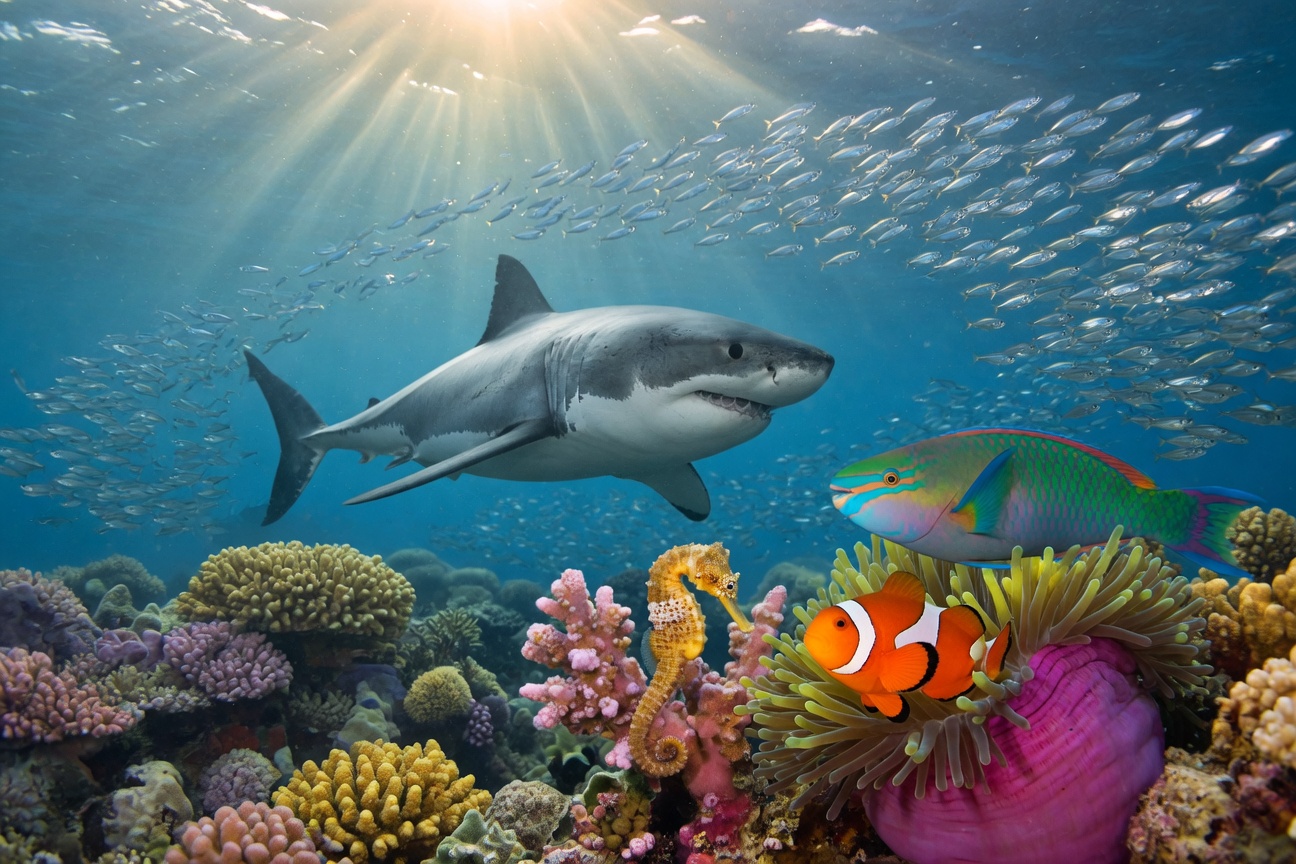
The recorded evolution of fish dates back almost 500 million years, when the first fish-like creatures made their appearance. These were a prequel to actual fish, according to experts, because they lacked a proper bony or cartilaginous backbone.
From these fish-like creatures the first accepted fish developed, the jaw-less fish! From then on there was no looking back, as today there are more than thousands of varieties of fish, and they all owe their existence to these jaw-less ancestors. And come to think of it, today only two varieties of jaw-less fish exist, the hagfish and the lampreys.
The jaw-less fish evolved into 3 groups of jawed fish:
- Bony Fish
- Plated Skin Fish
- Cartilaginous Fish
The first group, the plated skin fish, did not survive for long and eventually became extinct after a few years. Other than the hagfish and the lampreys, all remaining fish belong to the remaining two categories, bony and cartilaginous. There are over 32,000 known species of fish in the world. Out of them, almost 27,000 species are bony fish. Another 970 species include rays, sharks, and chimeras, and 108 are the lampreys and hagfish.
What Makes a Fish a Fish?
So far, scientists have identified more than 25,000 different types of fish species, and they believe there are around 15,000 more still waiting to be discovered. (Newer counts push the total of named species past 32,000, either way, fish easily outnumber every other animal with a backbone.) Whatever the exact figure, no other vertebrate group comes close.
Fish are vertebrates (animals with a backbone) that live in water. They can live in fresh water, like rivers and lakes, or in salt water, like the sea. Two features make them stand out: they breathe through gills, and they have paired and unpaired fins that help them swim efficiently. Their bodies are also covered with some sort of protective scales.
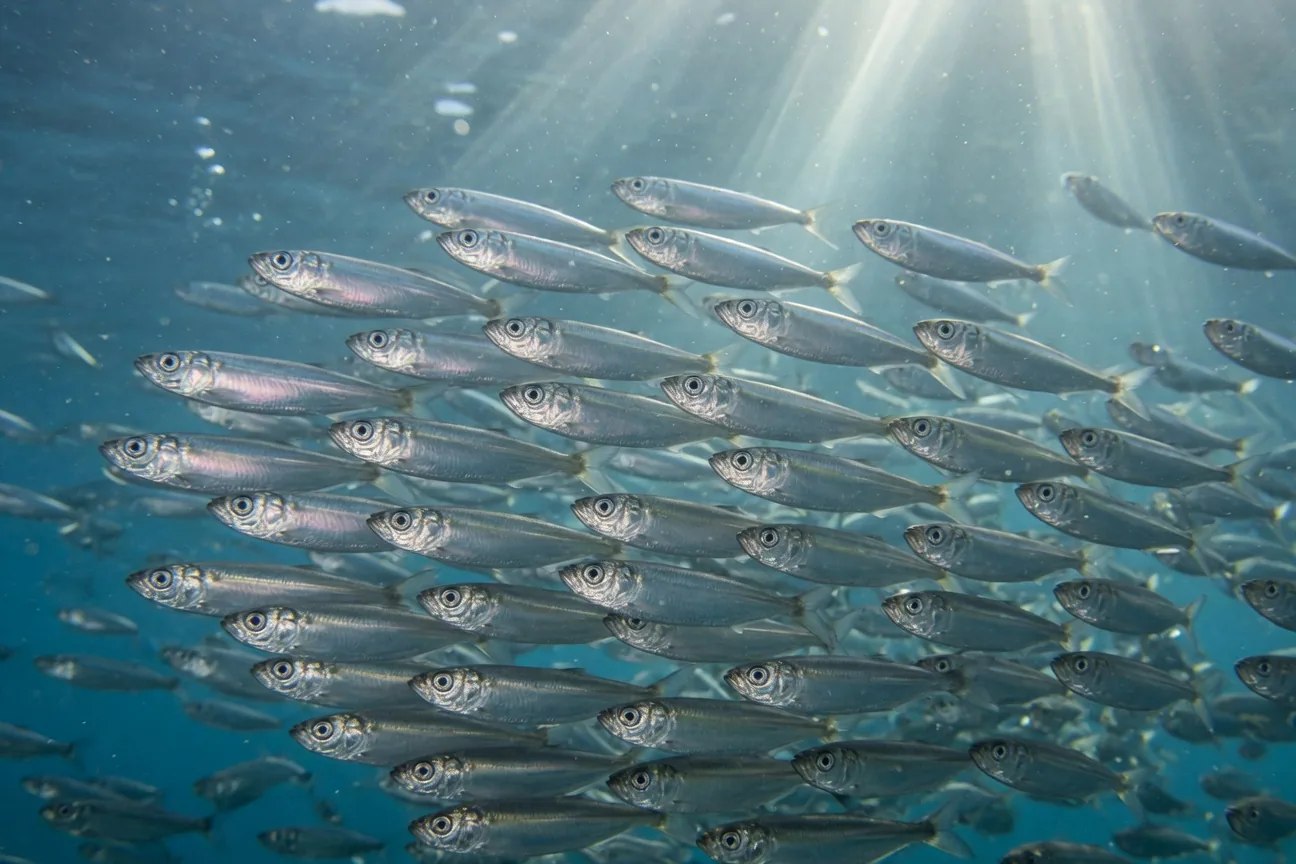
Most fish are cold-blooded (or ectothermic), which means their body temperature depends on the surrounding water rather than warming itself. And no matter what the water is like, fish have found a way to live in it. You can find them deep in the ocean where almost no light reaches, and you can also find them in fast streams high up in the mountains.
Fish matter to people in two big ways. First, they are an important food source, enriched with healthy proteins. Second, for aquarists they make wonderful pets, it is a relaxing hobby to watch colorful fish swimming, playing, and feeding. Because the demand for fish is so high, fish farming and fishing are also sources of income for many people around the world. Later in this guide you will find full lists of the fish people keep as pets and the fish people eat.
Classification According to Species
The American Fisheries Society gives the following 3 classes of fish:
- Agnatha: This is the most primitive class of fish. They have no jaws and have undeveloped backbones. They are also known as Jawless Fish. Only two groups are still surviving in this class, hagfish and lampreys.
- Chondrichthyes: This class of fish has jaws and is characterised by their cartilaginous skeletons and the lack of bones in their body. This class is divided into three types, sharks, skates, and rays.
- Osteichthyes: These too are jawed fish, and have partly or wholly bony skeletons and no cartilage. This class is subdivided into two subclasses,
- Sarcopterygii, the lobe-finned fish, and
- Actinopterygii, the ray-finned fish.
Agnatha (Jawless Fish)
These jawless creatures are very primitive in nature. Not only do they lack jaws, most of the species in the two surviving groups also do not have a defined stomach, fins, or the ability to regulate their own body temperature, they are ectothermic. There is not much information available about their mating or reproductive habits, but fertilisation is believed to be external. While hagfish feed mainly on dead animals, lampreys mainly feed off other fish.
Chondrichthyes (Cartilaginous Fish)
As the name says, these fish possess a cartilaginous skeleton. The young are born with a notochord, which is gradually replaced by cartilage. They have scales, gills, and paired fins. Although they have a skeleton, they lack a ribcage; if taken out of water they will die, because their body weight will crush their internal organs. They also lack bone marrow. A heterocercal tail (where the top lobe is larger in size than the bottom lobe) in sharks helps them in locomotion.
Shark
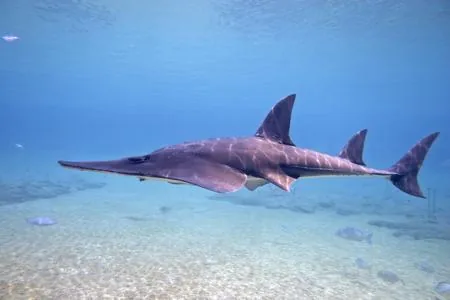
Sharks are the best-known Chondrichthyes. Their skeletons are entirely cartilage (lighter and more flexible than bone) which helps them be agile hunters. A shark's heterocercal tail drives it efficiently through the water. There are over 500 species of shark, ranging from the tiny dwarf lanternshark to the 65-foot whale shark.

Electric Ray
Electric rays can generate a powerful electric discharge to stun prey and deter predators. Like all rays, they are flat-bodied relatives of sharks and belong to the Chondrichthyes class. Their bodies are disc-shaped with large pectoral fins fused to the head.
Thornback Skate
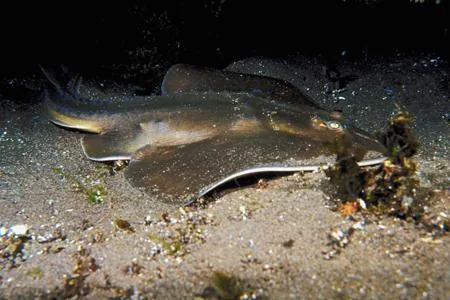
Skates are closely related to rays and also belong to Chondrichthyes. The thornback skate (Raja clavata) gets its name from the sharp spines covering its back and tail. Like other skates, it is a bottom-dweller that feeds on crustaceans and small fish on the seabed.
Osteichthyes (Bony Fish)
Fish in this class possess a bony skeleton, gills, and an operculum which enables them to breathe even when resting. Many species have swim bladders, gas-filled organs that help the fish control buoyancy. Other than a few exceptions, fish in this class are ectothermic. Although the primary organ for respiration is gills, most species can also breathe through lungs, swim-bladders, stomach, skin, or intestines!
Based on their feeding patterns, osteichthyes are classified into the following 4 groups:
- Herbivores
- Carnivores
- Omnivores
- Detritivores

Other examples of Osteichthyes are Oarfish, Flying fish, and Milkfish.
Fish Classification Quiz
8 quick questions. Can you sort your sharks from your lampreys, and tell a pet fish from a plate of dinner?
Classification According to Habitat
According to habitat, there are again three classes of fish:
- Marine Fish
- Freshwater Fish
- Migrating Fish
A few examples of each of these classes are given below, although they are by no means all the fish in that particular category.
Freshwater Fish
Freshwater fish are adapted to survive in very low levels, less than 0.05%, of salinity. These fish have to do some extra work compared to their saltwater counterparts, because they have to use the very low levels of salt found in freshwater optimally, to maintain their internal body salt balance.
Their main physical adaptations are scales on their body and very well-developed kidneys. The scales help reduce water diffusion through their bodies, while the kidneys help to retain salts as much as possible. Quite a few freshwater species are now endangered due to water pollution caused by humans.
Examples of Freshwater Fish
- Salmon
- Trout
- Carp
- Catfish
- Perch
- Bass
- Pike
- Tilapia
- Goldfish
- Guppy
- Char
- Cichlid
Marine Fish
Marine fish are typically adapted to water with an average pH level of 8.2. These fish are usually characterised by brilliant colors and many different physical adaptations, which makes it easier for them to protect themselves from predators. Marine fish are classified into three types based on their feeding habits:
- Herbivorous
- Carnivorous
- Omnivorous
Other examples of marine fish are Hawk Fish, Grouper, Squirrelfish, and Nurse Shark.
Migrating Fish
Fish migrate for various reasons, but according to research the top reasons are reproduction and diet. Migrating fish can travel huge distances of thousands of kilometers. Some forage fish migrate in triangles, in the sense that they have three stops (they migrate from stop 1 to stop 2, from stop 2 to stop 3, and from stop 3 back to stop 1) which are generally at the tips of a triangle shape.
Migrating fish can be divided into 2 types:
- Catadromous: These are fish which are born in marine or saline water, but migrate to freshwater sources to spend the major part of their lives.
- Anadromous: These fish follow the exact opposite pattern, they are born in freshwater, but migrate to saltwater bodies to spend most of their adult lives. They return to freshwater bodies when they want to reproduce.
A few more examples in this category are Dolphin, Char, and Trout.
Two of the most popular “fish” (the jellyfish and starfish) do not actually belong to the fish family, irrespective of what their names say!
Frequently Asked Questions
How many species of fish are there in the world?
There are over 32,000 known species of fish, making them the most diverse group of vertebrates on Earth. About 27,000 are bony fish (Osteichthyes). Scientists are still discovering new species every year.
What are the three main classes of fish?
The three classes recognized by the American Fisheries Society are: Agnatha (jawless fish, e.g. hagfish and lampreys), Chondrichthyes (cartilaginous fish, e.g. sharks and rays), and Osteichthyes (bony fish, the largest class).
What is the difference between freshwater and marine fish?
Freshwater fish are adapted to survive at salinity levels below 0.05% and have well-developed kidneys to retain salts. Marine fish are adapted to water with an average pH of 8.2 and have many color adaptations to help them avoid predators.
What temperature does a freshwater aquarium need to be?
Freshwater aquarium fish need a water temperature between 24°C and 28°C. Marine aquarium fish need a temperature range of 10°C to 24°C, while tropical marine fish need 24°C to 28°C.
What types of fish are good to eat?
Commonly eaten fish include salmon, tuna, cod, mackerel, herring, halibut, trout, tilapia and sardines. Many saltwater fish are rich in omega-3 fatty acids, which are good for the heart.
What fish are good pets for beginners?
Hardy freshwater fish like goldfish, guppies, bettas, mollies, platies and danios are popular beginner aquarium pets because they are easier to care for than marine fish.
Other Categories, Aquarium Fish
Aquarium fish are becoming exponentially popular as more and more people want to keep aquariums in their homes. But it is not as easy as getting fish from the pet store and keeping them in a bowl. Aquarium fish are further classified into three categories, based on the kind of environment they need to survive and thrive.
Freshwater Aquarium Fish
Freshwater aquarium fish require very little maintenance once their basic needs are looked after. They need a minimum level of salinity to survive. Hence addition of salt is quite unnecessary, though there are varied opinions on the topic. The surface area should be decided based on how many fish are going to be kept in the aquarium, to provide enough oxygenation to the water. It is also necessary to provide some furnishings in the aquarium to make it interesting for the fish and to stimulate them.
For freshwater aquarium fish, the water temperature should be maintained between 24°C to 28°C.
Marine Aquarium Fish
Marine aquarium fish have slightly stricter requirements in terms of water pH, alkalinity, temperature, and so on, and the cost of maintaining marine fish species is therefore more than for freshwater species. All marine aquarium fish species require a pH level of 8.2 to 8.4 to be able to survive. Regular filtration is required, and in the case of marine aquariums it is a complicated process. Usually these fish prefer natural sunlight or fluorescent light.
Marine fish require a temperature range of 10°C to 24°C, while tropical marine fish require a temperature range of 24°C to 28°C.
Brackish Aquarium Fish
Brackish fish species need a temperature range of 22°C to 28°C. Their main requirement is that salinity levels can be varied depending on which species are being kept, but all brackish fish species are well adapted to tolerate varying levels of salinity. One interesting thing to keep in mind is that brackish aquarium fish species tend to jump, and so the tank must be kept covered at all times to prevent them from jumping out! Varying the salinity on a regular basis will help in maintaining the good health of the fish.
Other examples of brackish aquarium fish are Sailfin Molly, Indian Glassy Fish, Orange Chromide, and American Flagfish.
Fish We Keep as Pets
When setting up an aquarium, the first choice is whether to keep freshwater fish or marine (saltwater) fish. Marine fish come in a wider range of colors, shapes, and sizes, but they need special care and maintenance. A freshwater aquarium is usually the best choice for a first-time fish keeper, or novice aquarist. In the United States, the most commonly kept aquarium fish are tropical fish.
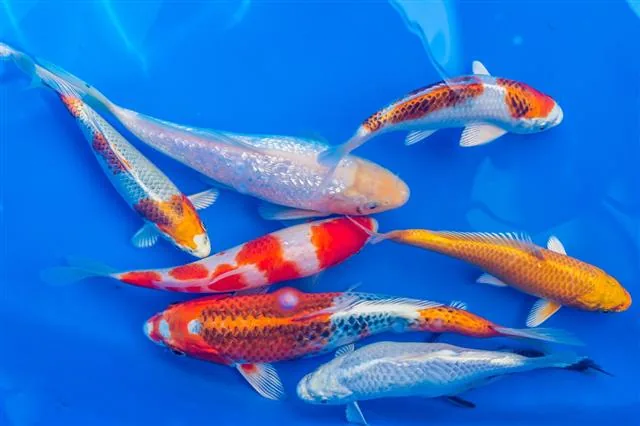
The list of popular aquarium fish types is long and colorful. A few of these, like the cichlid, the clownfish and the seahorse, are aquarium favorites all over the world.
Popular aquarium (pet) fish types include the following:
- Anemone fish
- Angelfish
- African butterfly fish
- Arowana
- Banded coral shrimp
- Barb
- Betta fish
- Biota
- Bala shark
- Bat fish
- Black knife fish
- Black-tailed dascyllus
- Blennies
- Butterfly loach
- Bumblebee goby
- Catfish
- Cypriniformes
- Cherubfish
- Clownfish
- Comet
- Copperband butterfly
- Cory
- Cichlid
- Crab
- Damsel
- Danio
- Discus
- Elephant nose
- Fantail fish
- Goldfish
- Gourami
- Guppies
- Knife fish
- Labyrinth fish
- Lionfish
- Loach
- Molly
- Mono
- Needle nose
- Oscar fish
- Pacu
- Platy
- Scat
- Seahorse
- Shark
- Shubunkin
- Silver dollar
- Spotted puffer fish
- Squirrel fish
- Swordtail
- Tetra fish
- Tiger Barb
- Upside down cat
- Yellowhead jawfish
- Yellow tang
- Yellowtail wrasse
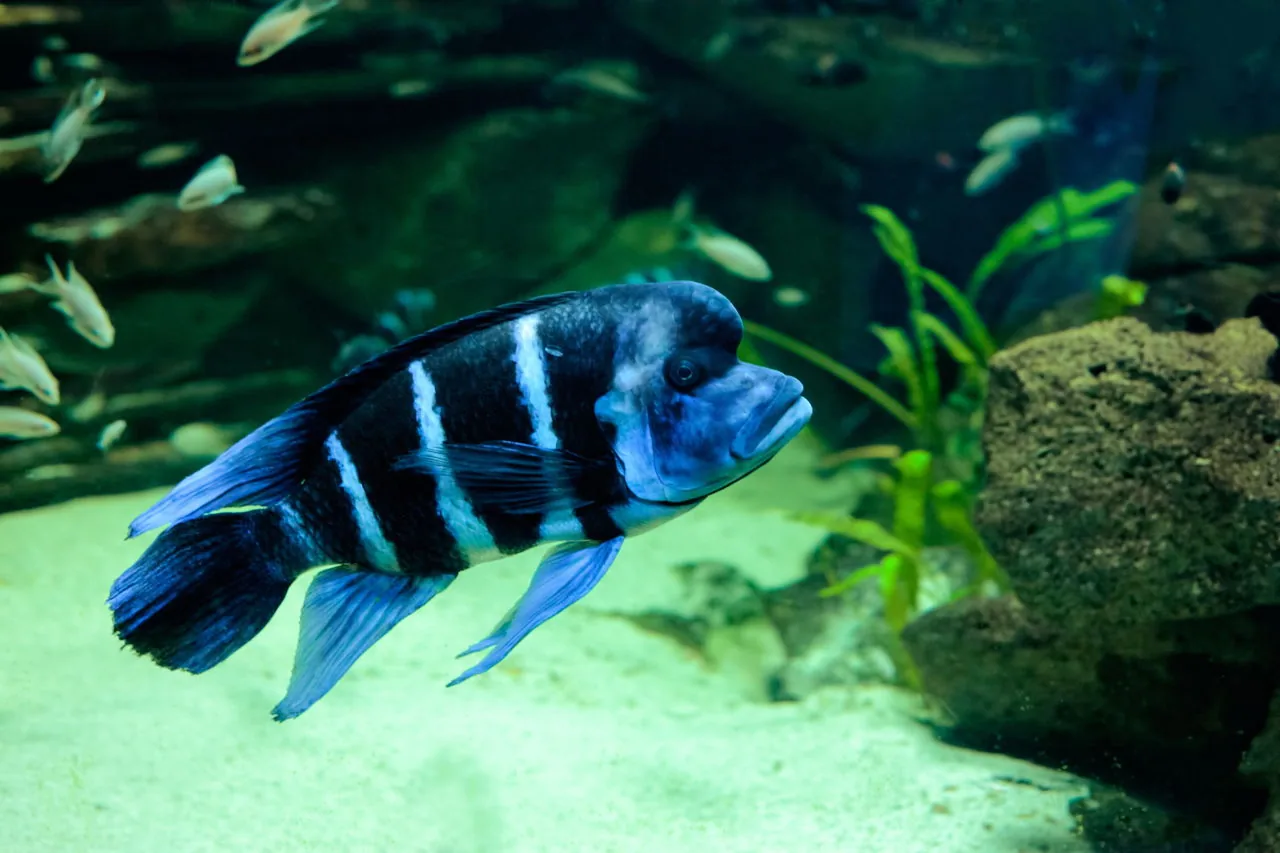
🐠 Freshwater or saltwater tank? Which is easier
If you want to start an aquarium, the first big choice is the kind of water. A freshwater tank holds river-and-lake fish like goldfish, guppies, bettas and mollies. The water is simpler to mix and the fish are usually hardier, which is why beginners start here.
A saltwater (marine) tank holds ocean fish like clownfish, tangs and lionfish. They are often more dazzling in color and shape, but the water needs careful mixing and extra care, so they suit experienced aquarists best.
Other Categories, Food Fish
Fish are not only delicious to eat, they offer scores of health benefits! Eating fish regularly can help in prevention of various types of cancers, cardiovascular diseases, skin and hair problems, and they also help in keeping the brain stimulated. There are many reasons why a diet rich in fish is good for you, including:
- Fish is one of the richest sources of omega-3 fatty acid, which helps in lowering blood pressure and maintaining a normal heart rate.
- Fish have a low content of fats and calories while being a rich source of proteins.
- Fish has fatty acids that aid faster growth of hair, contribute to making hair stronger and shinier, and aid in the production of collagen, which helps reduce wrinkles.
- Fish are an amazing source of minerals and vitamins. They contain calcium, which helps maintain healthy teeth and bones, helps in growth and metabolism, and also helps in keeping the eyes healthy.
Shown below are a few of the most popular food fish. Other examples of edible fish are Walleye, Sturgeon, Conger Eel, and Monkfish.
Fish We Eat
Both freshwater and marine fish have been eaten by people for thousands of years. In the market, they are sold fresh, dried, canned, or pickled. Research has shown that the proteins and nutrients in fish are healthier than those found in poultry and red meat. Many saltwater fish are also full of omega-3 fatty acids, healthy fats that help treat and protect against cardiovascular diseases.
Commonly eaten fish are listed below. Some are true fish; others, like clams, crabs, lobsters and oysters, are shellfish that are eaten the same way.
- Anchovy
- Abalone
- African butter fish
- Bass
- Barramundi
- Basa
- Black drum
- Bluegill sunfish
- Bream
- Brill
- Carp
- Catfish
- Clam
- Coley
- Cod fish
- Crab
- Croaker
- Crayfish
- Crawfish
- Cuttlefish
- Dab fish
- Dogfish
- Eel
- Flounder
- Grouper
- Gurnard
- Haddock
- Hake
- Halibut
- Herring
- Hoki
- Huss
- Jacksmelt
- Ling
- Lobster
- Mackerel
- Mahi mahi
- Milkfish
- Monkfish
- Mullet
- Opakapaka
- Orange roughy
- Oyster
- Perch
- Pike
- Pollock
- Pompano
- Redfish
- Salmon
- Sardines
- Scallop
- Sheepshead
- Shrimp
- Skate
- Sole
- Swordfish
- Tilapia
- Tripletail
- Trout
- Tuna
- Turbot
- Wahoo
- Weakfish
- Whitefish
- White grunt
Canned or pickled fish products can sometimes contain traces of mercury and other harmful chemicals. When you buy them, choose good-quality brands to stay safe. And remember that some fish, such as shellfish and the raw fish used in sushi, can cause food poisoning if they are not prepared or cooked correctly. Correct preparation and cooking is a must, so always follow safe cooking guidelines.
Explore More Animals
 What Do Fish Eat? A Guide to Fish DietsA great diversity is observed in the diet of fish depending on the types and species. Some fish are even herbivorous! Here are the details of the diet of differ
 Marine Animals: The Complete Guide to Ocean LifeThe exhaustive list of marine animals begins with microscopic zooplanktons and ends with extremely large whales. In between them, lie millions of species, each
 Freshwater Biome Animals That are Vital to the EnvironmentIt may well be the smallest biome on the Earth, but that doesn't make the freshwater biome less important; not with so many animals to its credit. Discover the
 Interesting Facts About the Beautiful Blowfish (Puffer Fish)Also known as puffer fish, blowfish can inflate themselves to scare away their predators, hence the name. They are believed to be the second most poisonous vert
Interesting / Strange Fish, Focus on Seahorses
Most of the fish in this category have self-explanatory names, while some have developed weird physical traits, and still others have developed such excellent camouflaged bodies that you would not know they were fish if you were not told so! The fish in this category deserve a lot of credit for doing their best to come out on top in “survival of the fittest”. Take a look at some of these fascinating creatures!
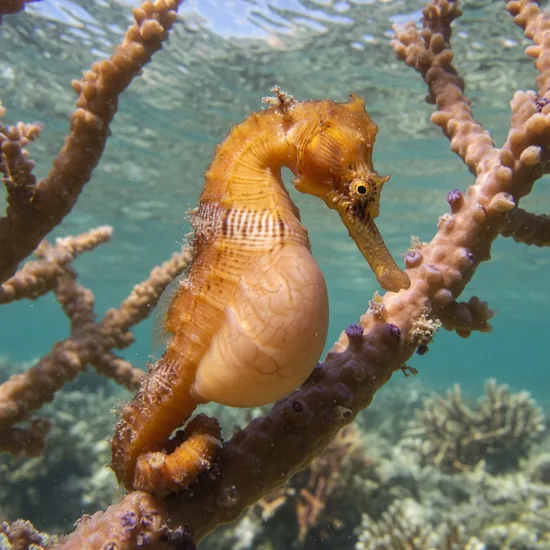
Facts About Seahorses
Seahorses are fascinating creatures. Here are 4 reasons why:
- They have excellent camouflage ability and can change their color to match their surroundings.
- Seahorses are one of only two classes of fish that can swim vertically, the other being shrimpfish/razorfish.
- Seahorses have eyes that can move independently of each other. So while one eye looks back, the other can look in the front or sideways!
- In seahorses, it is the male who gets pregnant! The female deposits her eggs into the pouch of the male, where he fertilises them and carries them till they are ready to hatch. The male seahorse provides prolactin to the eggs, while the pouch regulates the temperature and salinity of water and also provides oxygen to the eggs.
Endangered Fish
Amongst all types of fish, freshwater fish seem to be the most vulnerable when it comes to being endangered. Overall, the IUCN Red List has listed more than 1,000 species of fish which are on the verge of extinction. The reasons are, of course, water pollution, habitat destruction, overfishing, and sometimes introduction of species into different habitats than the ones they are used to. Rigorous measures need to be undertaken to ensure that these listed species are soon off the list, and safe and sound in their natural habitats.
Saving Our Fish
Today, many types of fish are listed as endangered or near extinction, and sadly some species have already been lost forever, knowingly or unknowingly. But it is never too late to protect the fish still with us. We need to stop overfishing, reduce water pollution, and protect the habitats where fish live. These simple conservation steps will help preserve fish and all the other animals that share our rivers, lakes, and oceans.
Glossary
| Word | What it means |
|---|---|
| Vertebrate | An animal that has a backbone (spine). Fish were the very first vertebrates on Earth. |
| Gills | The body parts, just behind a fish's head, that take oxygen out of the water so the fish can breathe. |
| Ectothermic | Cold-blooded; unable to regulate body temperature internally. The animal's temperature matches its surroundings. |
| Scales | The small, tough, overlapping plates that cover and protect a fish's body. |
| Heterocercal tail | A tail fin where the upper lobe is larger than the lower lobe, as in sharks. This shape helps drive the fish upward as it swims. |
| Notochord | A flexible, rod-like structure that acts as a primitive backbone in young cartilaginous fish. It is gradually replaced by cartilage as the fish grows. |
| Operculum | The hard flap covering the gills in bony fish. It protects the gills and allows the fish to breathe even while resting. |
| Anadromous | Describes fish born in freshwater that migrate to the ocean as adults and return to freshwater to breed, e.g. salmon. |
| Catadromous | The opposite of anadromous: fish born in the sea that migrate to freshwater to live most of their lives, e.g. European eel. |
| Aquarist | A person who keeps fish and looks after a fish tank or aquarium as a hobby. |
| Omega-3 | Healthy fats found in oily fish such as salmon and mackerel that are good for the heart and brain. |

 Fun fact for today!Fish are aquatic creatures found all over the world. There are about 32,000 species of fish, making them the most diverse group of vertebrates when it comes to species!